
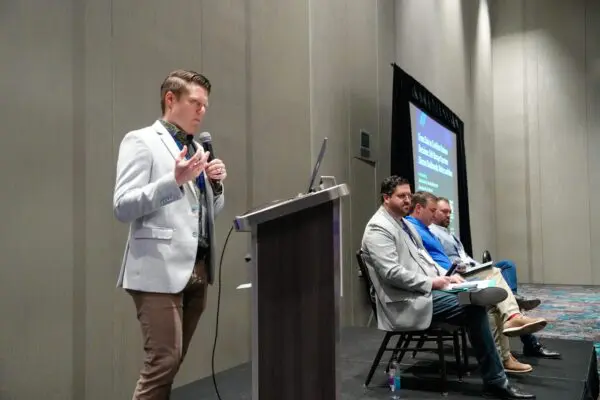
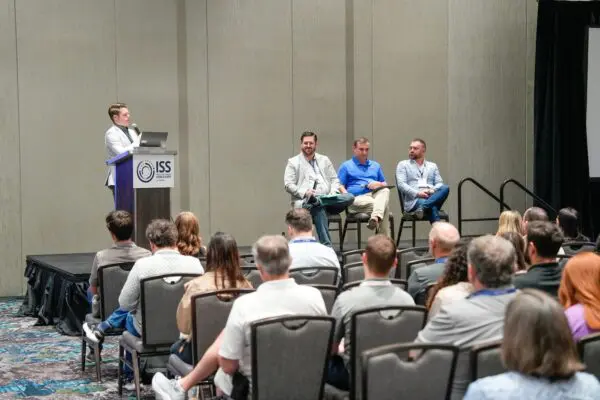
At ISS 2026, Storable CEO Chuck Gordon sat down with operators Beau Agnello (COO at Go Store It), Nick Newcomb (Storage Max), and Peter Spickenagel (President/CEO at Citizen Storage Management) to talk about where data and AI are actually moving the needle for self-storage owners today. The conversation focused on the on-the-ground changes operators are making and the results they’re seeing.
Here are three big takeaways from the discussion.
1. Going Beyond Dashboards to Understand Customer Sentiment
Previously, being “data-driven” mostly meant watching occupancy, move-ins, and rate trends. Today’s leading operators are digging much deeper, especially into call data and customer sentiment.
Panelists described using AI tools to automatically:
- Analyze tone, sentiment, and talk time on every call
- Flag calls where customers sound confused or frustrated
- Identify coachable moments and best-practice call examples for training
Instead of just counting calls, they’re turning conversations into a rich source of performance insight, helping site teams improve close rates and deliver a more consistent customer experience across locations.
2. Integrated Data + AI Drives Smarter Revenue Decisions
With demand softening in many markets, the panel agreed that how you monetize your existing footprint matters more than ever. That starts with unifying data from your FMS, call center platforms, and other tools so AI can help operators see the full picture.
Several themes emerged:
- A shift from “move-ins at any cost” to revenue management as the primary lever
- A focus on revenue per available foot rather than simple revenue per square foot to better reflect true earning potential
- Using AI to double-check financial models, surface anomalies, and even recommend unit mix and pricing adjustments based on real demand signals, not just gut feel
In a low-demand environment, those who can quickly translate data into targeted rate moves, unit mix changes, and portfolio-level decisions will be positioned to outperform the broader market.
3. AI Is a Strategic Capability And It Needs Guardrails
Finally, the panel was clear: AI is no longer a side project. It’s becoming a core operational capability that deserves executive attention and clear ownership.
Operators shared examples of:
- Hiring dedicated AI leaders and analysts to drive adoption
- Using AI as an “operations assistant” to automate high-time, low-value tasks like lease audits, report generation, and basic analysis
- Starting small—teaching AI about your business, then expanding to more impactful use cases over time
Alongside the excitement, there was a strong emphasis on security, governance, and training. The consensus: Operators need a clear plan for how AI tools access and use data, and both staff and vendors must follow standards that keep that environment safe and compliant.
The Future of AI in Self-Storage
Not every operator can hire a Chief AI Officer, but you can still benefit from AI that’s baked into the tools you already use. Storable’s roadmap focuses on bringing practical, secure AI capabilities to operators of all sizes so you can automate low-value tasks and free your staff to focus on tenants.
For Storable and the operators on stage, AI isn’t about replacing people—it’s about giving teams better data, sharper tools, and more time to focus on the decisions only humans can make. That combination is what will separate tomorrow’s top-performing portfolios from the rest.