
Updated on January 26th, 2026
Everything you need to know before buying, building, or managing a storage facility.
Starting a storage unit business can be one of the most profitable and stable investments in commercial real estate, if you understand the costs, market research, financing, and operational needs that make a facility successful. Keep reading for expert tips, suggestions, and additional reading material on how to start a self-storage business.
Table of Contents:
- A Guide to the Self-Storage Industry
- How Much Will it Cost to Start a Self-Storage Business?
- What Kind Of Research and Planning Do You Need to Do Before Starting a Self-Storage Business?
- Writing a Business Plan
- Should You Buy an Existing Self-Storage Facility?
- Should You Build a Self-Storage Facility From the Ground Up?
- Financing a Self-Storage Facility
- How Will You Manage and Market Your Self-Storage Facility?
The Self-Storage Industry
More than 52,000 self-storage facilities span the U.S. That’s about the same number of McDonald’s, Starbucks and Subway locations across the U.S. combined. These facilities are the foundation of the U.S. self-storage industry, which was projected to generate $44.3 billion annually in 2024.
At each of these self-storage locations, people pay rent — usually month-to-month — to store various items:
- Furniture, appliances, and home goods
- Seasonal items and decorations
- Business inventory and equipment
- Vehicles, boats, and RVs
- Specialty items like wine, art, and documents
Each of those self-storage properties is not only a warehouse for our wares — every facility also is a small business. And it can be a lucrative business, at that. By one estimate, the typical profit margin of a self-storage business in the U.S. is 11%. That’s well above the profit margins for many other types of small businesses; for example, the typical profit margin of a restaurant ranges from 3% to 5%.
Given those numbers, starting a self-storage business sounds pretty appealing, doesn’t it? It sure does. However, anybody looking at starting a self-storage company must look beyond the profits and weigh the practical considerations:
- The costs of starting a self-storage business
- Research and planning before starting a storage unit business
- Buying an existing facility vs. building a new one
- How will you manage and market your self-storage facility?
Follow along this self-storage guide to learn what it takes to start a self-storage business.
How Much Will it Cost to Start a Self-Storage Business?
Before scouting locations for a self-storage facility — no matter whether you’re looking at buying an existing storage unit business or building a new one — you’ll need to crunch some numbers.
First you’ll need a good sense of how much it’ll cost to get into the self-storage business, and figure out where the money will come from. The numbers will vary widely based on a variety of factors, such as location, acquisition costs, land costs and facility construction costs. (We’ll get into the details later.)
Startup Costs
Typical startup costs include:
- Property acquisition or land purchase
- Construction or renovation
- Site planning, engineering, and permitting
- Security systems (gates, cameras, access control)
- Management software
- Marketing and branding
- Staffing (if not running it yourself)
You’ll likely need millions of dollars in total capital to acquire or build a facility and cover early operating expenses. Some other questions to ask yourself are:
- Do you have enough liquid assets to buy or develop a self-storage facility on your own? Can you afford to earmark those assets for a self-storage facility?
- Do you need to take out an acquisition or construction loan?
- Do you need to recruit self-storage investors to help finance an acquisition or development deal?
Operating Costs
After you’ve come up with answers to those questions, you’ll need to figure out how much it’ll cost to operate the facility once it’s yours. This includes:
- Property taxes (often 25–30% of operating expenses)
- Insurance
- Staff management (often 38% of operating expenses)
- Utilities
- Maintenance
- Software and marketing
Are you and your family going to run it on your own? Will you have to hire staff to operate it? Would it be best to leave the operations side to a third-party management company? Do you need to install self-storage management software such as Sitelink?
Modern facilities rely heavily on software to reduce manual work and control costs. Tools like Sitelink, Storable Easy, and Storable Edge can help automate:
- Billing and payments
- Online move-ins
- Tenant communication
- Reporting
- Marketing
- Unit management
This should factor into your startup and operational planning.
What Kind of Research and Planning Do You Need to do Before Starting a Self-Storage Business?

Once you’ve done some high-level thinking about how to start a self-storage business, it’s time to do some research. All of that research will go into a feasibility study that will, as its name suggests, tell you whether the business idea is feasible. You might be able to do this study on your own, but you’d be better off hiring a self-storage consultant to perform it.
Whichever route you go, you need to answer a critical question:
If I build it or buy it, will they come?
In other words: if you invest money in a self-storage facility, will you generate enough revenue to cover debt service and operating expenses, and still make a profit?
Performing market research is crucial. This exercise will help you pinpoint the demographics and storage needs of the customer base within a one- to five-mile radius of your proposed self-storage location. A three- to five-mile area is the typical size of a market for a self-storage facility.
You’ll want to nail down the median income in the market area (self-storage renters tend to be in the middle-income and upper-middle-income brackets), along with the median age (self-storage tenants are normally in their early 20s to mid-50s).
In addition, you’ll want to review the following aspects of your proposed market area:
- Current population (anywhere from about 20,000 people in a rural setting to 100,000 or more in an urban setting, as a general guideline).
- Projected population growth (more people means more prospective tenants).
- Daily vehicle traffic (the majority of self-storage facilities depend heavily on drive-by traffic to attract customers).
- Competitive landscape. Which self-storage facilities already are operating in the area? What is their occupancy rate? Are there any facilities that are under construction or are planned within the trade area? What is the monthly self-storage unit cost at existing facilities?
Other components of the feasibility study normally will include an overview of the self-storage industry; long-range projections for rental rates, income, expenses and property value; and details about the storage project’s zoning.
Writing a Business Plan
It’s essential to have a storage unit business plan. Simply put, a business plan can help propel a business toward success, letting you realize your goals and manage issues that might arise. Most lenders will want to see a business plan before extending a loan.
Check out our guide to creating a storage unit business plan, which includes a free template.
Each business plan should be tailored to your own needs, but a business plan for a self-storage facility usually will feature information such as:
Business Fundamentals
- Mission statement.
- Vision statement.
- Ownership structure.
- Business structure (such as an LLC, or limited liability corporation).
- Staff roles and responsibilities.
Financial Plan
- Estimated startup costs
- Sources of capital.
- Revenue streams.
- Revenue and expense projections covering several years. Financial modeling will enable estimates of revenue and expenses on a per-square-foot basis.
Marketing Strategy
- SWOT analysis (strengths, weaknesses, opportunities and threats).
- Market analysis.
- Competitive analysis.
- Marketing and sales strategies.
- Pricing strategy. Roughly speaking, monthly rents for a self-storage facility in a high-population area can be anywhere from 50 cents to $4 per square foot.
- Menu of product and service offerings, including a rundown of the unit sizes, like 5×5, 10×10 and 10×20.
One factor in making sure revenue projections are met is marketing. While drive-by traffic delivers lots of customers, marketing — particularly online self-storage marketing — can’t be ignored. Self-storage consumers increasingly are turning to the internet as their first stop when shopping for a storage unit.
Any smart internet strategy should ensure your facility can be found on search engines like Google as well as through online self-storage marketplaces like SpareFoot. In addition, your facility’s website should be up to date and provide options for things like online move-ins and payment options. Products like Storable Edge specialize in developing, revamping and maintaining mobile-ready websites for self-storage operators.
Should You Buy an Existing Self-Storage Facility?
In terms of buying an existing facility, costs are all over the map, just as the self-storage facilities themselves are. Prices vary from $500,000 for a small rural property to $20M+ for a large, modern facility in a major metro area.
Unless you’re a licensed real estate professional, it’s wise to hire an experienced self-storage broker to help you find and eventually buy a facility. A seasoned broker knows the market and knows how to negotiate the price.
If you’re going to be running the facility, you, of course, will want to buy a facility in the region where you live. But if you’ll be handing over operations to a third-party management company, then it doesn’t necessarily matter where the facility is. Just be sure you and your broker have a good grasp of the local market.
Pros of Buying
- Immediate revenue and established customer base
- Faster financing compared to new development
- Known performance metrics (occupancy, revenue, NOI)
Cons of Buying
- Higher upfront cost
- Potential deferred maintenance
- Less control over layout or unit mix
Should You Build a Self-Storage Facility from the Ground Up?
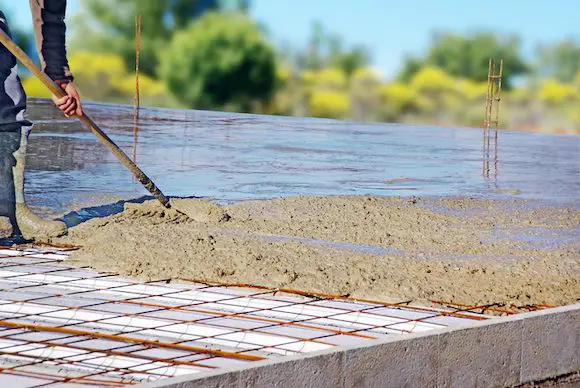
This should come as no surprise, but location also plays a big part in the cost of building storage units. You might be able to put up a single-story, 40,000-square-foot self-storage development in a small town for $1 million or less, whereas a two-story, 80,000-square-foot facility in a more urban setting could set you back $10 million. Here are some things to keep in mind if you’re developing a self-storage facility:
Typical Construction Costs
- $50–$65 per sq ft for single-story
- $85–$110 per sq ft for multi-story
- Depends heavily on location and materials
- Facilities range from 10,000 to 100,000+ sq ft
- Average: 46,000 net rentable sq ft
- Usually built on 2.5–5 acres
Key Design Decisions
Unit mix- Design based on your market’s housing mix:
- If the facility is in a trade area that’s populated predominantly by apartment renters, then you might want to include more small units, such as 5×5 or 5×10.
- If the residents of the trade area are mostly homeowners, more 10×10 and 10×20 units might be in order.
Drive-up vs. climate-controlled:
- Climate-controlled costs more to build but attracts higher-paying tenants and broadens demand.
- The local climate will come into play regarding this decision, as will your construction budget.
One building vs. multiple buildings- Depends on:
- Land configuration
- Local demand
- Traffic flow
- Budget
- How much land is available, along with how much demand is projected, will influence the configuration of the facility.
Boat & RV storage- high demand in some markets but requires:
- More acreage
- Higher security
- Different zoning considerations
Converting existing spaces:
- A number of self-storage developers have successfully transformed unused and often overlooked spaces into tax-revenue-generating, job-creating storage facilities.
Understanding Self-Storage Zoning Requirements
Zoning Requirements
A huge issue will be how the property is zoned. If the property is already zoned for self-storage, then that removes a huge hurdle. But if the property needs to be rezoned, then you could devote months or even years to seeking approval for a zoning change.
In some places, government officials and local residents vigorously oppose self-storage facilities, based on the ill-informed notion that these facilities are magnets for crime and traffic, and that they’re eyesores. The reverse is actually true. Commercial warehouses don’t cause a rise in crime or traffic, and self-storage sites don’t either. Many modern facilities are being designed to fit into and even accentuate neighborhoods.
Additionally, there’s the issue of entitlement. This involves obtaining approval from government entities for your development plans. As with rezoning, an entitlement case could drag on for months upon months.
All of that being said, keep two things in mind:
- Development of a self-storage facility takes time and patience (and, of course, money). Aside from the zoning and entitlement, construction can be delayed by bad weather, shortages of labor and limited supplies of construction materials.
- Development of a self-storage facility requires expertise. A development team should include seasoned legal, real estate, financial, construction and design professionals. Few people who are new to the self-storage industry can go it alone when developing a new facility.
Financing a Self-Storage Facility
Just as there is with any business, there are some hard truths about self-storage, no matter whether you’re talking about a newly constructed or newly acquired facility.
Most first-time buyers rely on some form of third-party financing.
As we mentioned before, the amount of money you put into a facility varies greatly, based on location and myriad other factors. But before you spend a dime, you’ll have to decide how you’ll go about financing an acquisition or a new development.
For instance, will you need to take out a loan? A number of options are available, such as acquisition loans, construction loans and SBA loans. Many of these loans cover terms of 10 to 25 years. Work with a lending professional who’s well-versed in the self-storage industry to point you in the right direction.
To qualify for a self-storage loan, here are four things you’ll likely need:
- A credit score of at least 680.
- A credit history clear of recent bankruptcies, foreclosures and tax liens.
- A cash down payment of 10 percent or more.
- A business track record of at least three years.
Perhaps you don’t need to take out a loan and, instead, have enough liquid capital to buy or build a facility. However, do you have enough money to operate the facility? You don’t want to drain your retirement fund to purchase or develop a self-storage facility.
Or you might consider teaming up with other investors to buy or build a facility. This can be done through:
- A debt partnership, which is a lending relationship that does not assign an ownership stake to the person or entity you are borrowing the money from.
- An equity partnership, with each partner chipping in a certain amount of cash and owning a share of the business.
- A joint venture with, say, a self-storage developer. Each partner owns a certain percentage of the business.
- A syndicate of accredited investors assembled for the sole purpose of buying or developing a facility.
- A tenant-in-common arrangement, which allows at least two people to own a property and enables the relatively seamless transfer of an ownership stake to another party.
How Will You Manage and Market Your Self-Storage Facility?
While storage facilities traditionally generate healthy, stable cash flow, anyone entering the self-storage business must realize that this won’t be a get-rich-quick operation. Generally speaking, the occupancy rates of self-storage facilities range from 70% to 95%. A new facility typically takes 18–36 months to reach stabilized occupancy. Successful management is what ultimately drives your NOI, valuation, and exit potential.
However, the good news is that the breakeven occupancy rate for a self-storage facility falls well below other asset classes. By one measure, the breakeven point is 40% to 45% occupancy in self-storage, versus 60% or more in the multifamily sector.
Furthermore, self-storage facilities boast some of the best shorter-term and longer-term returns in commercial real estate.
When it comes to buying a self-storage facility, one investment number that’s essential to note is the capitalization rate (cap rate for short). “Capitalization rates are always the overarching consideration for both buyers and sellers in the self-storage industry,” according to self-storage brokerage firm SkyView Advisors.
As explained by SkyView Advisors, the cap rate is the ratio of a property’s NOI (net operating income) to the value of the property. For example, if a property sells for $1.5 million and its NOI is $120,000, then the cap rate is 8% ($120,000 is 8% of $1.5 million).
“In the simplest terms, the cap rate reveals to an income property investor what percentage [he/she] can expect to earn if he buys the property with all cash,” SkyView Advisors said.
For example, if an investor thinks a property is worth a cap rate of 8%, then he or she expects a cash return of 8%.
As of the second quarter of 2024, cap rates for self-storage facilities averaged 5.9%, according to a report from Cushman & Wakefield.
Bottom Line: Is it a Good Idea to Start a Self-Storage Business?
At the end of the day, learning how to start a self-storage business isn’t easy and requires a major commitment of time, energy and money. However, the payoff can be substantial in a continually growing industry. Evidence of that growth abounds:
- Self-storage occupancy rates and rental rates in a number of U.S. markets reached record levels in recent years. Demand for self-storage keeps going up thanks to an array of factors, including the overall downsizing of baby boomers’ households and the general preference among millennials for renting apartments versus owning homes.
- Over time, self-storage has demonstrated that it’s a recession-resistant sector.
In short, self-storage furnishes a wealth of reasons why acquiring an existing facility or building a new facility can open the roll-up door to attractive investment gains.
“Storage facilities need little capital outlay or upkeep, their property taxes are modest, and net acquisitions in that sector have surged,” Forbes.com contributor Brad Thomas observed, “And so, in good times and in bad, kind of like marriage, good old storage units are like a trusty spouse.”